Petrol garage: 15 litres a minute lost underground
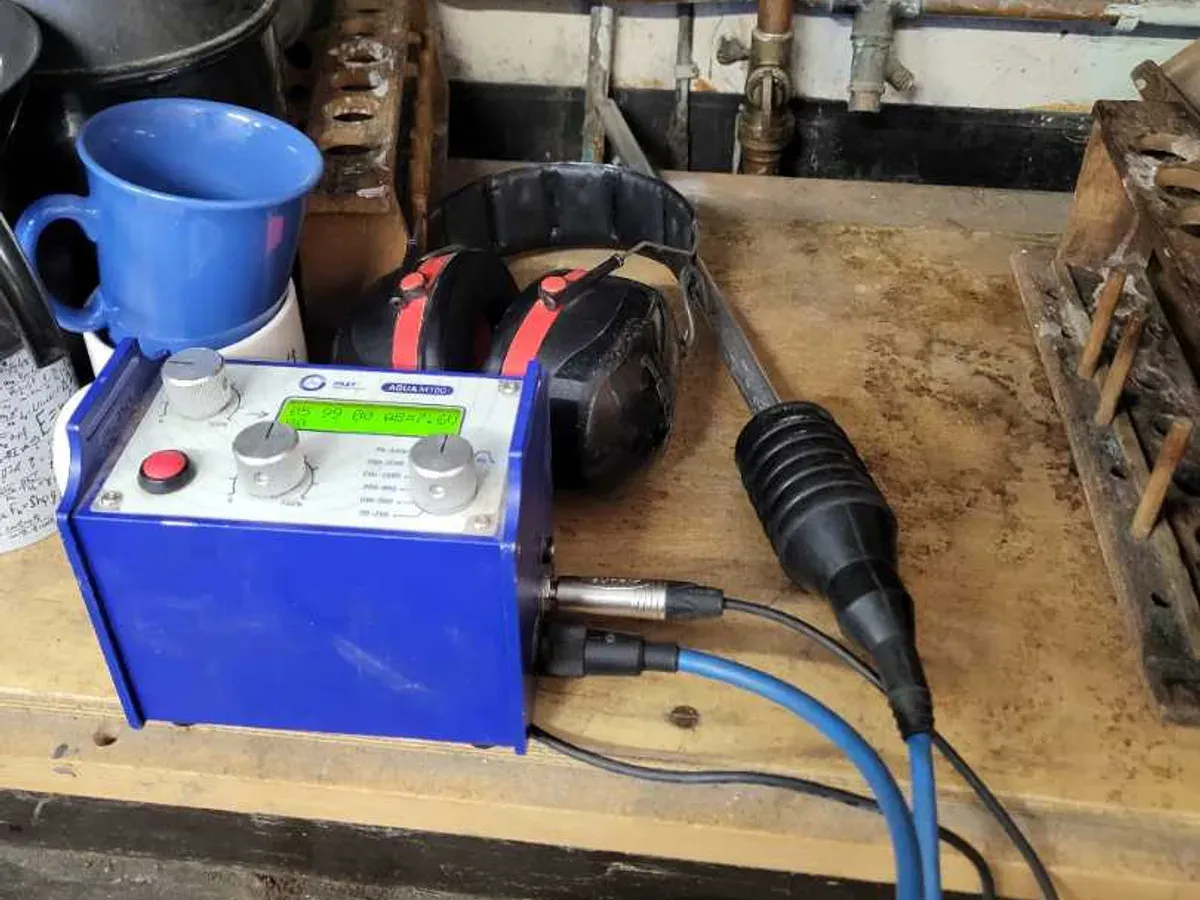
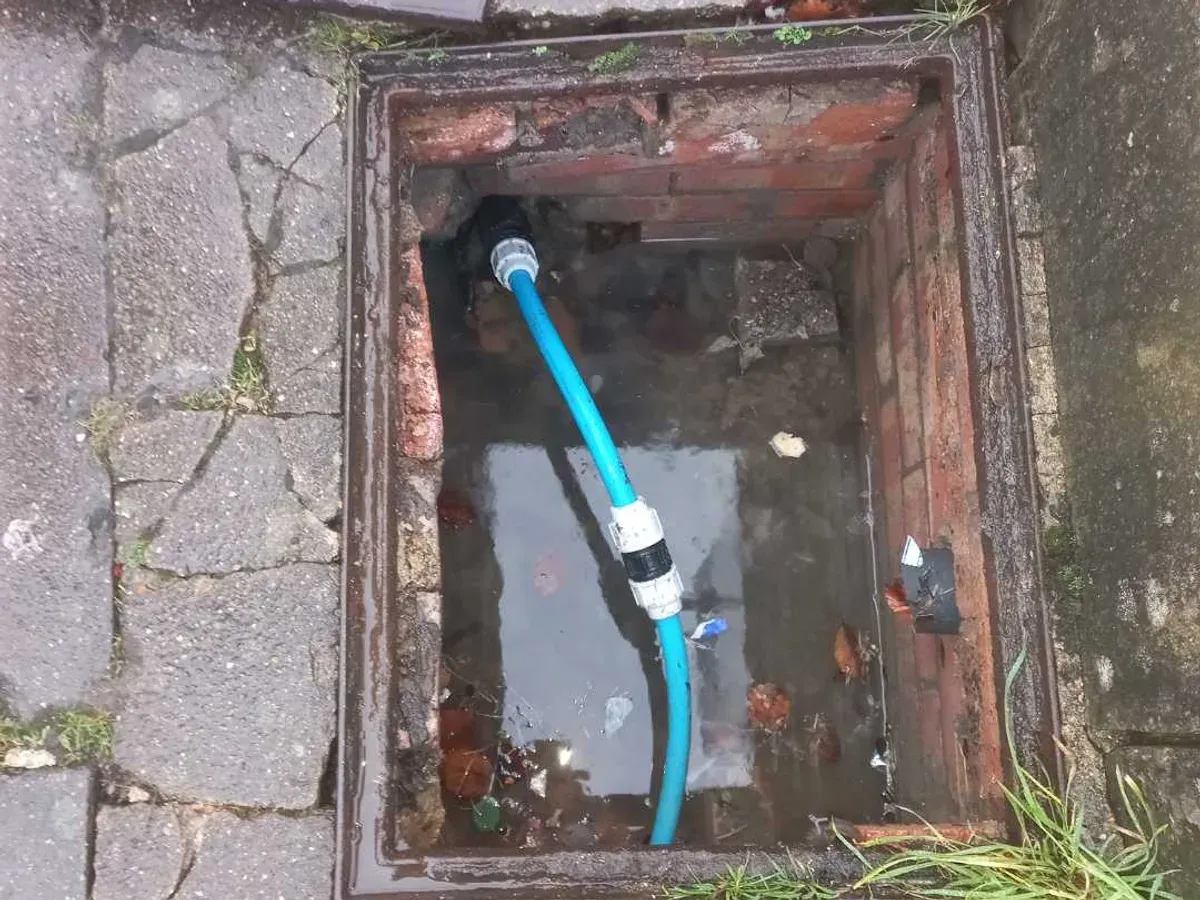
The meter kept moving with every outlet shut. Tracer gas led to a flooded chamber where several mains leaks were repaired.
ADI investigates hidden water leaks in commercial premises across Greater London. Describe rising consumption, heating pressure loss or recurring damp, and explain the site’s operating hours so the survey can be planned around access and essential services.
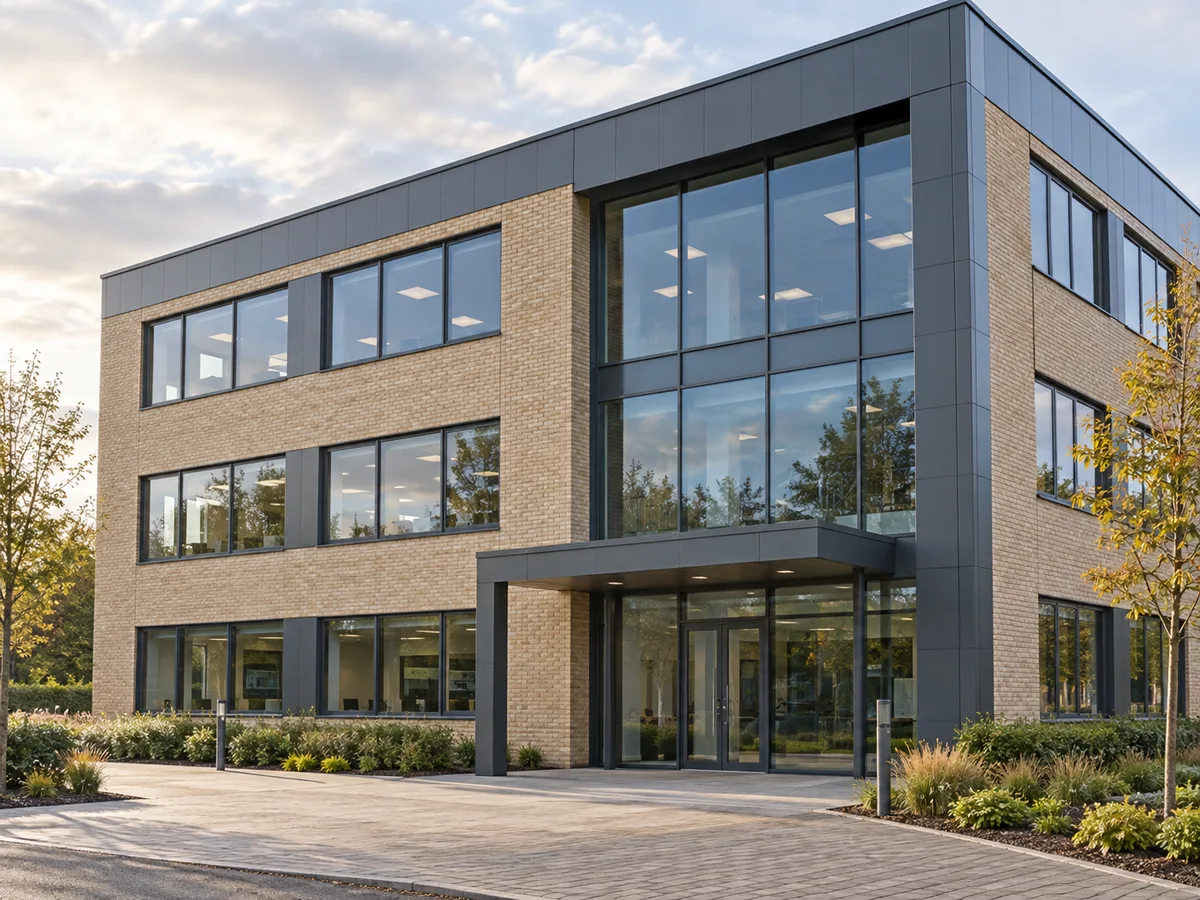
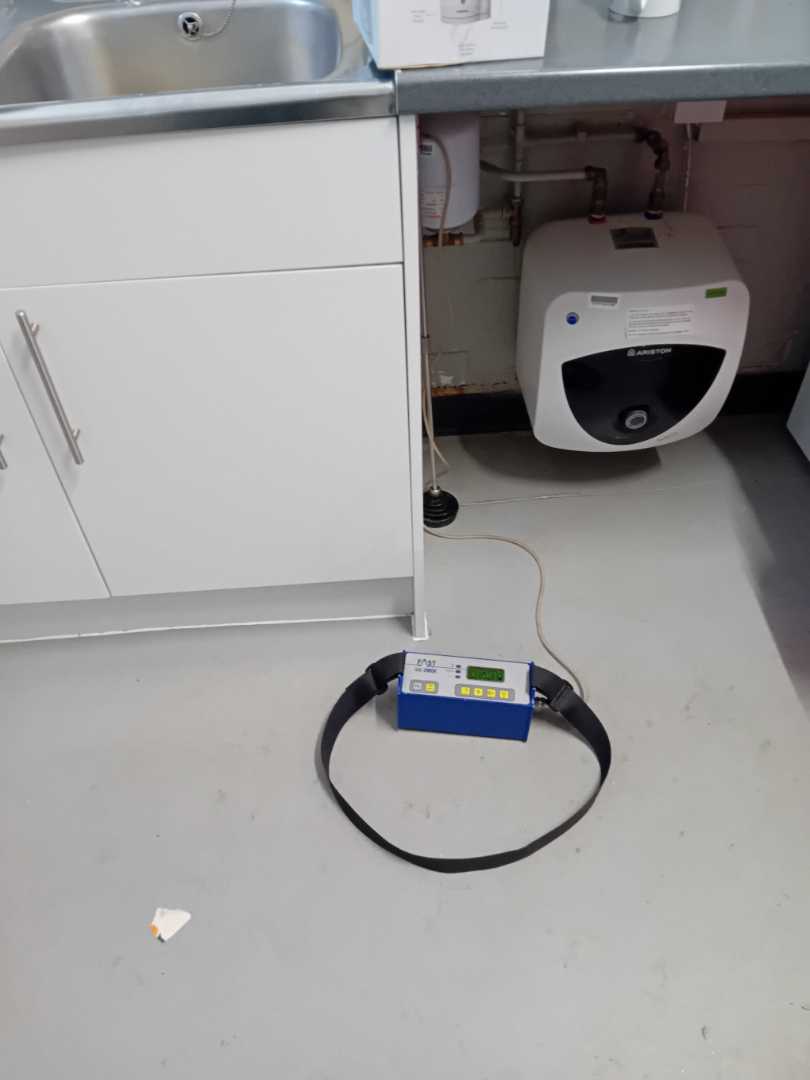
At London premises containing a shop and a rear work unit, an unexpected bill prompted a mains investigation. There was no water meter for an initial meter check and no internal valve that isolated all the pipework, so the internal and external supply were pressure-tested together. That test confirmed a leak on the supply being tested.
Tracer gas gave the strongest indication beneath the kitchen sink unit. The unit needed removal before the pipe could be exposed, and the report recorded that this access work would need to happen out of hours. No repair or subsequent retest was carried out during the visit.
Start with the symptoms and the system involved. The survey scope should reflect how your building uses water.
Provide meter records and identify shared users. Testing must account for normal consumption before locating a suspected buried leak.
Water mains investigationsShare pressure records and accessible circuit boundaries. Agree plant-room access and any interruption to occupied units.
Heating and plant room leaksRecord whether damp follows water use or rainfall. Supply, drainage and building ingress need different checks.
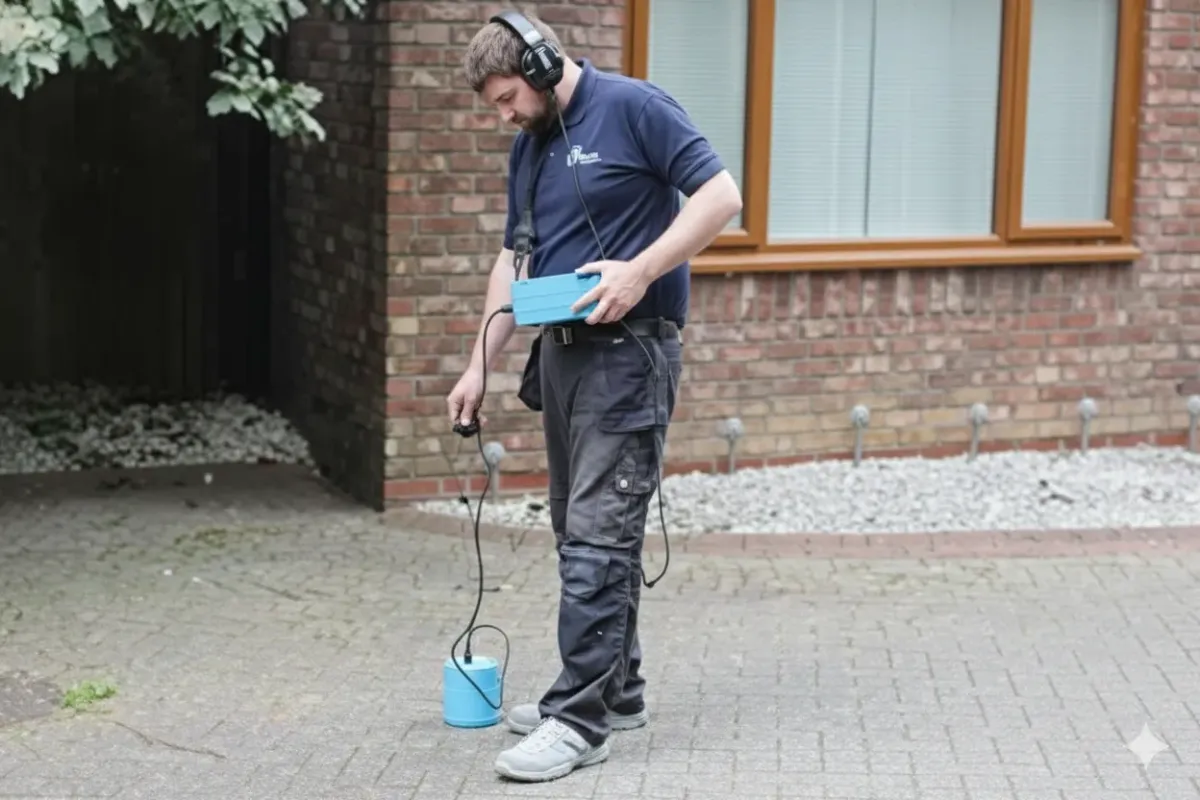
Roof and building ingress surveysThe building and pipework determine the equipment. In London's commercial stock, floor finishes, basement slabs, background machinery and restricted access points can all affect the tests, so a survey may combine acoustic listening equipment, thermal imaging and tracer gas methods.
Equipment narrows the investigation; further access can still be needed to confirm or repair a fault. Read about the survey and methods.
The building’s use matters as much as the leak location. These are examples of survey situations, not a list of local clients.
If several tenants share a building, record the affected rooms and identify who controls each part of the water system. Arrange access to the relevant units and service areas, and explain who can approve an isolation.
For retail premises such as the units at Gallions Reach Shopping Park in Beckton, discuss safe access to trading areas and service yards. Identify isolation points and explain which supplies are shared before booking an investigation.
If kitchens, washrooms or occupied rooms depend on the supply, explain which services must stay available. Share safeguarding, induction and access requirements before booking so the investigation can be scoped with your site contact.
Three ADI investigations from Bedfordshire, West Yorkshire and Derbyshire, showing how different commercial water losses were investigated.
The meter kept moving with every outlet shut. Tracer gas led to a flooded chamber where several mains leaks were repaired.
A hissing classroom and saturated ground led to a leaking desk-tap supply. The school chose to cap the branch rather than excavate.
The meter showed continuous consumption. Testing found a faulty urinal flush control and dripping fixtures, with no concealed pipe leak indicated.
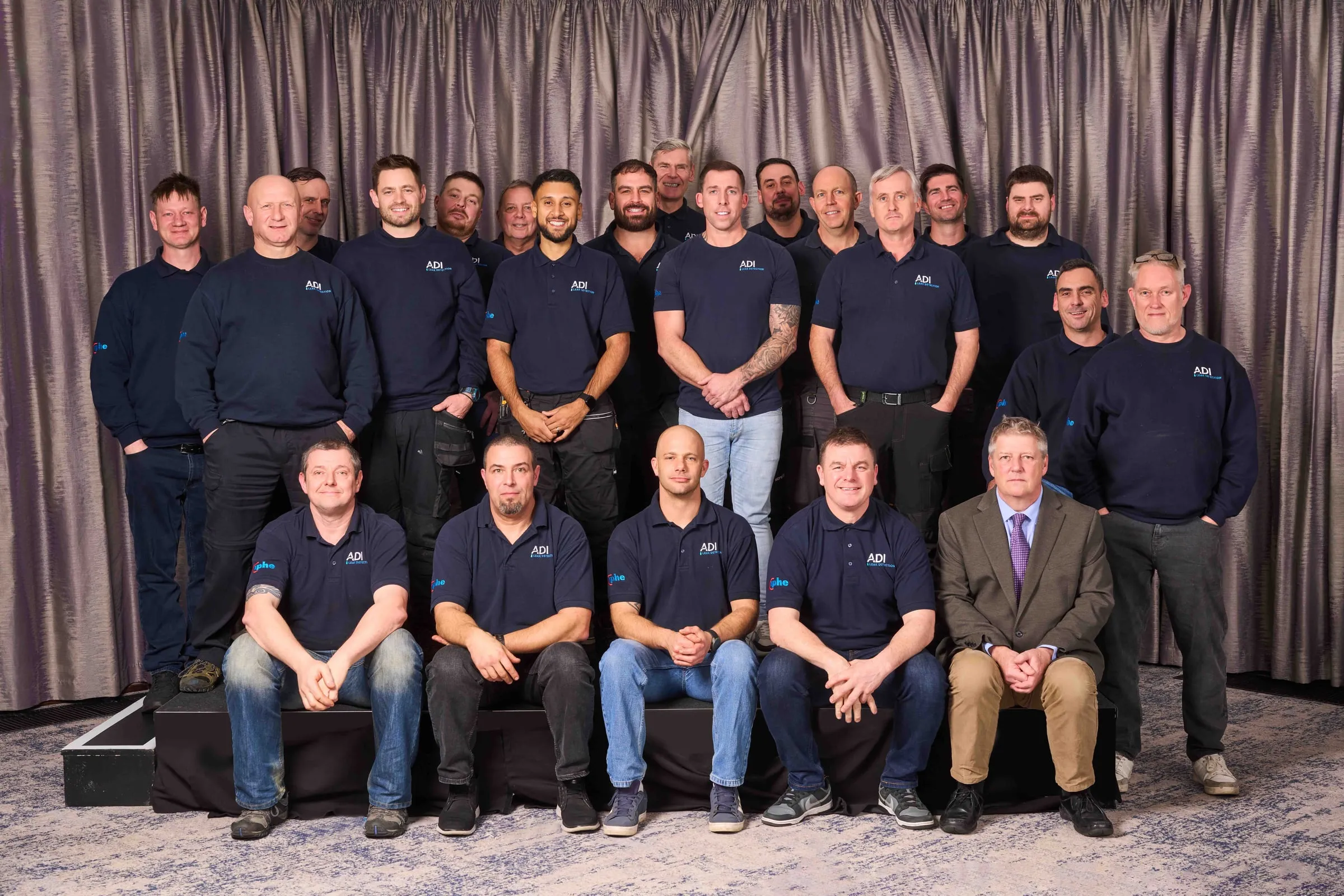
Commercial Leak Detection, a specialist service from ADI Leak Detection. ADI started in 2011 and has more than twenty-five leak investigation engineers across England, Scotland and Wales, working in offices, retail premises, hotels and industrial buildings.
Selected excerpts from five-star reviews of ADI’s wider service across the UK.


Review excerpt
Read the full review“Great service, turned up as arranged. All work carried out with care and explained fully. Very satisfied, would recommend.”
Review excerpt
Read the full review“Robert worked very hard to successfully find a relatively small leak in the external water main several feet underground .”
This page follows the ceremonial county of Greater London: the 32 London boroughs, including Westminster, but excluding the separate City of London. The places listed are examples within Greater London, not a complete list or a record of past jobs. Call with the full postcode to discuss the property and current availability.
Discuss your operating hours and critical services with the office before booking. Some tests need water or heating isolation, and access to occupied floors or plant rooms may be required. Share any induction or permit-to-work requirements when you call.
Tell the office which units share the meter and arrange access with the relevant occupiers or managing agent. Water used elsewhere on the supply can affect the readings. The findings can help identify the affected pipework, but they do not determine lease responsibilities.
It shows water passing through the meter. Automatic equipment, stored-water systems and other users on a shared supply can also explain movement. Record the readings and known use; do not shut off essential services just to carry out a check.
Specialist equipment helps narrow the search before opening a surface. An access opening may still be needed for inspection or repair. What is possible depends on the construction, pipe route and access restrictions. London buildings vary considerably in floor and ceiling construction, which affects the options.
ADI provides a written report with findings and photographs. It can be shared with your repair contractor or insurer. Check any insurer approval requirements before booking; the survey does not guarantee insurance cover. Ask separately about available pipe repairs and reinstatement.
Have the Greater London site address, symptoms and access details ready. Call ADI to discuss the survey scope, cost and current availability, including any restrictions on water or heating interruptions.