How a commercial leak detection survey works
The office agrees the survey scope and access with your site contact before an engineer attends. The tests depend on the affected system, the building and which services can be isolated safely.
Commercial leak survey steps
Step 1: Tell the office about the site
Give the postcode, building use and symptoms. Mention rising consumption, pressure loss or visible water, and explain which parts of the business are affected. The office confirms availability and a quotation.
Step 2: Arrange access and site requirements
Nominate a contact who can open plant rooms, meter chambers and affected areas. Share available pipe drawings, induction requirements and any limits on water or heating interruptions.
Step 3: Agree the work on arrival
The engineer reviews the symptoms and accessible systems with your site contact. ADI supplies a risk assessment and method statement for commercial work before testing begins.
Step 4: Investigate the affected system
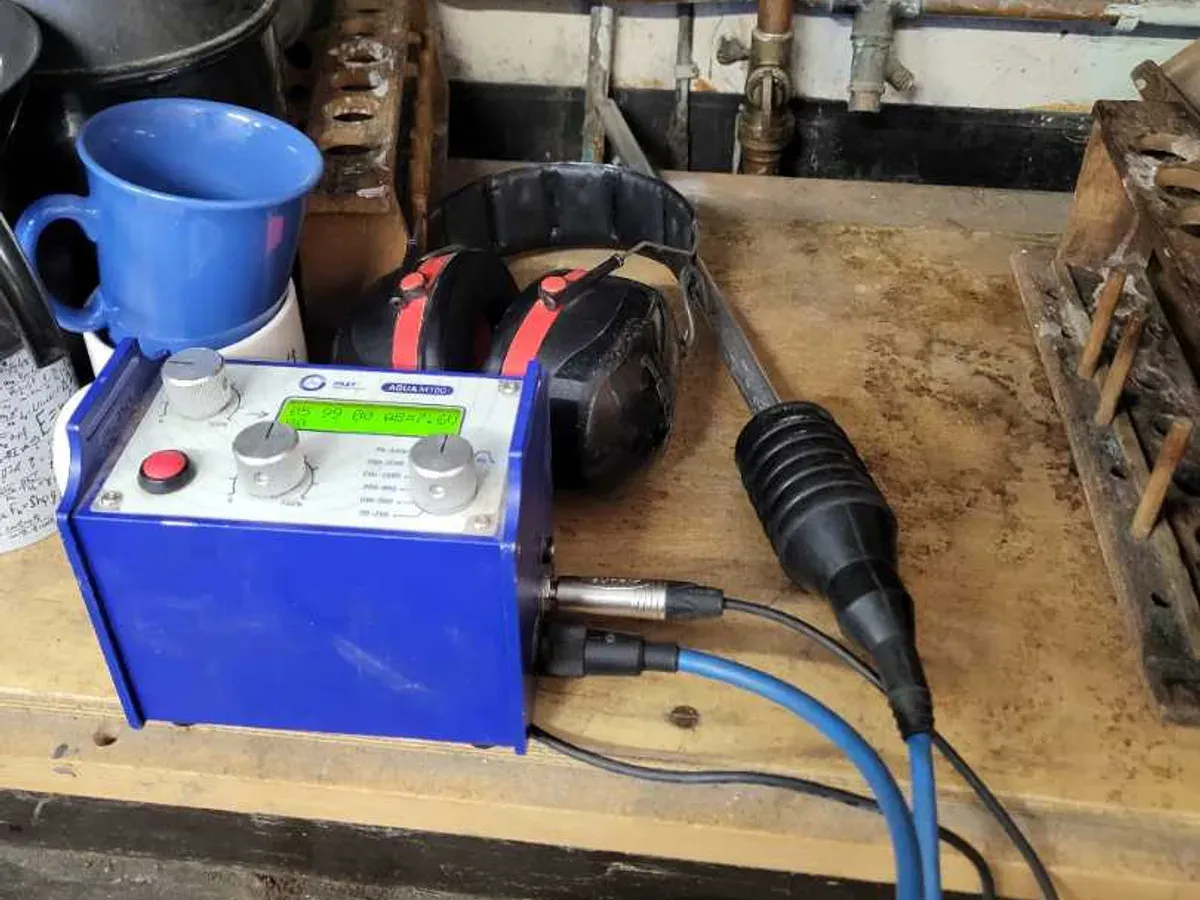
The tests depend on the pipework, surfaces and access. The engineer may isolate sections, compare moisture or temperature patterns, listen for escaping water or use tracer gas.
Step 5: Receive a written report
Photographs and findings give your facilities team a record of the investigation. Share it with the contractor arranging the repair or your insurer, as required.
Step 6: Agree the next repair step
Ask which pipe repairs can be quoted during the visit. Access, materials and time affect what is possible. Building fabric faults may need a roofer or another specialist using the survey findings.
How to prepare for a commercial leak survey
Most delays on the day come down to access. Sort these before the visit and the survey can start as soon as the equipment is out of the van.
- A site contact. Someone who knows the meter, isolation valves, plant rooms and affected areas, and can authorise access.
- Access to the affected supply. Arrange keys for tenant spaces, service cupboards and external chambers before the visit.
- Pipe drawings and meter readings. Bring available plans, consumption records and details of earlier repairs.
- Site requirements. Tell the office about inductions, permits, protective equipment and restricted working areas.
- Parking near the work. Engineers carry substantial testing equipment. Discuss delivery yards, vehicle access and parking restrictions when booking.
- Any insurer requirements. Let the office know if a claim is open or the report needs to answer a particular question.

Your commercial leak detection report
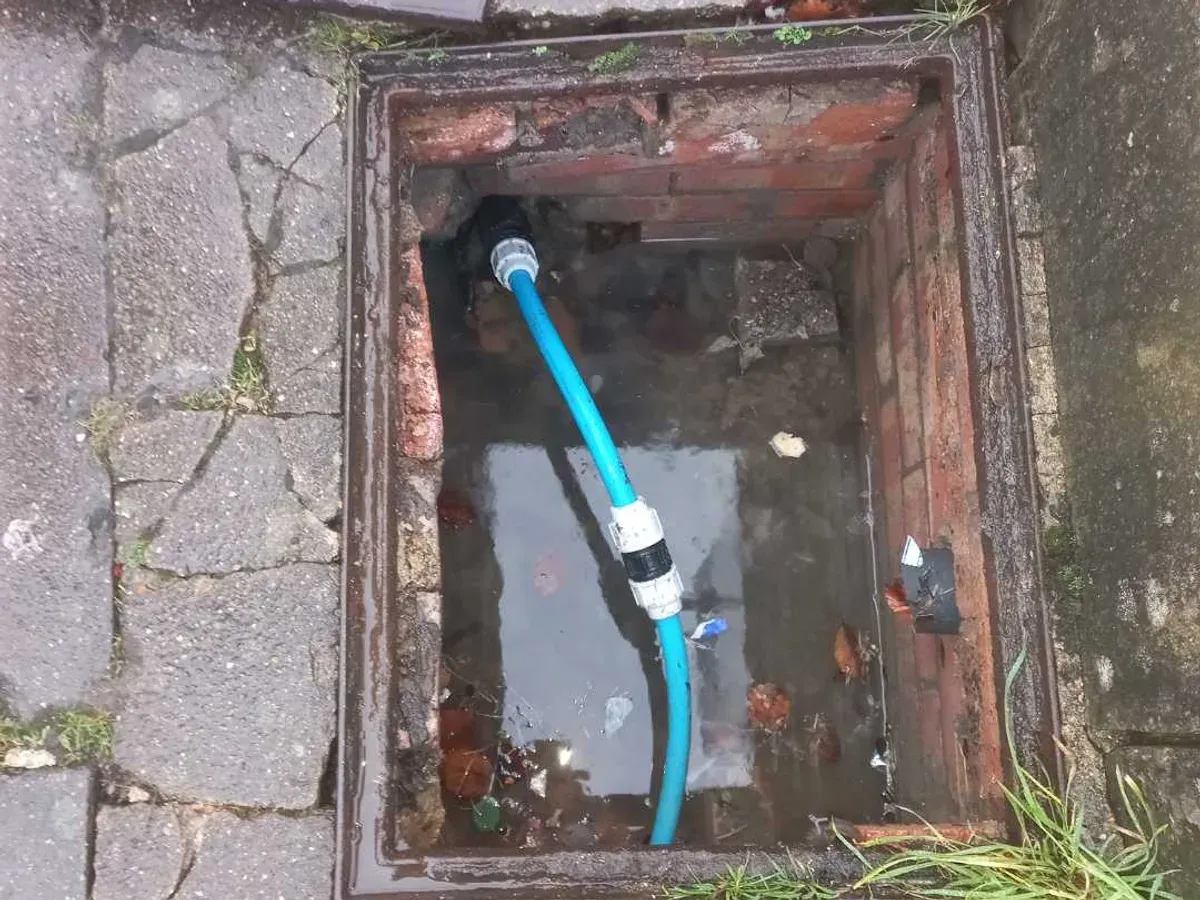
A written report, with photographs, that says where the leak is, how it was found and what to do about it.
Share the findings with your facilities team, contractor or insurer so they can plan the next stage. Discuss any required report details with the office before the investigation.
Repairs and what they cost
Where a pipework repair is possible, ADI can quote it separately. Access and repair work depend on the location, materials and site conditions. Structural defects such as roof or window leaks are investigated and reported for the appropriate contractor.
The survey and any repair are separate items. Commercial investigations are excluded from ADI’s domestic “no find, no fee” offer. Ask the office to confirm the scope and booking terms in your quotation.
Call 0333 567 2629Questions about the visit
Which commercial buildings do you cover?
ADI works in commercial and industrial premises, including retail, hospitality, healthcare, education and manufacturing. Describe the building and the affected water system when you call so the office can scope the right survey.
Do you provide RAMS for commercial sites?
Yes. ADI supplies a risk assessment and method statement before commercial leak detection work starts. Send any induction, permit or access requirements to the office when arranging the visit.
Can ADI repair a leak during the visit?
Ask the office to include repair options in the quotation. Some pipe repairs can be completed during the visit when access, materials and time allow. Roof, finish and building fabric repairs may need another contractor.
Can we send the report to our insurer?
Yes. The findings and photographs can support the information you provide for a claim. Ask your insurer what it needs and whether it requires approval before the survey; the report does not guarantee that a claim will be accepted.
Arrange a commercial leak investigation
Tell the office about the building, the signs of a leak and the postcode. ADI will discuss access, any restrictions on water shut-offs, the survey cost and current availability.
- Monday to Friday, 7:30am to 6:30pm
- Calls reach ADI Leak Detection's office in High Wycombe. Engineers cover England, Scotland and Wales.